
Clinical Success Alone Is No Longer Enough
The TCR‑Based Therapies field is entering a decisive new chapter.
As TCR programs mature, developers are facing a significantly more complex environment. Across biotech and pharma, teams are contending with:
- Achieving durable responses and persistence in solid tumors
- Expanding patient reach beyond narrow HLA and antigen constraints
- Balancing potency, safety, and scalability in increasingly complex formats
- Controlling cost of goods and manufacturing feasibility as programs move toward the clinic
Together, these are fundamentally changing how TCR programs are developed, funded and commercialized.
The 7th TCR-Based Therapies Summit has never come at a better time, with the 2026 program built to address these issues.
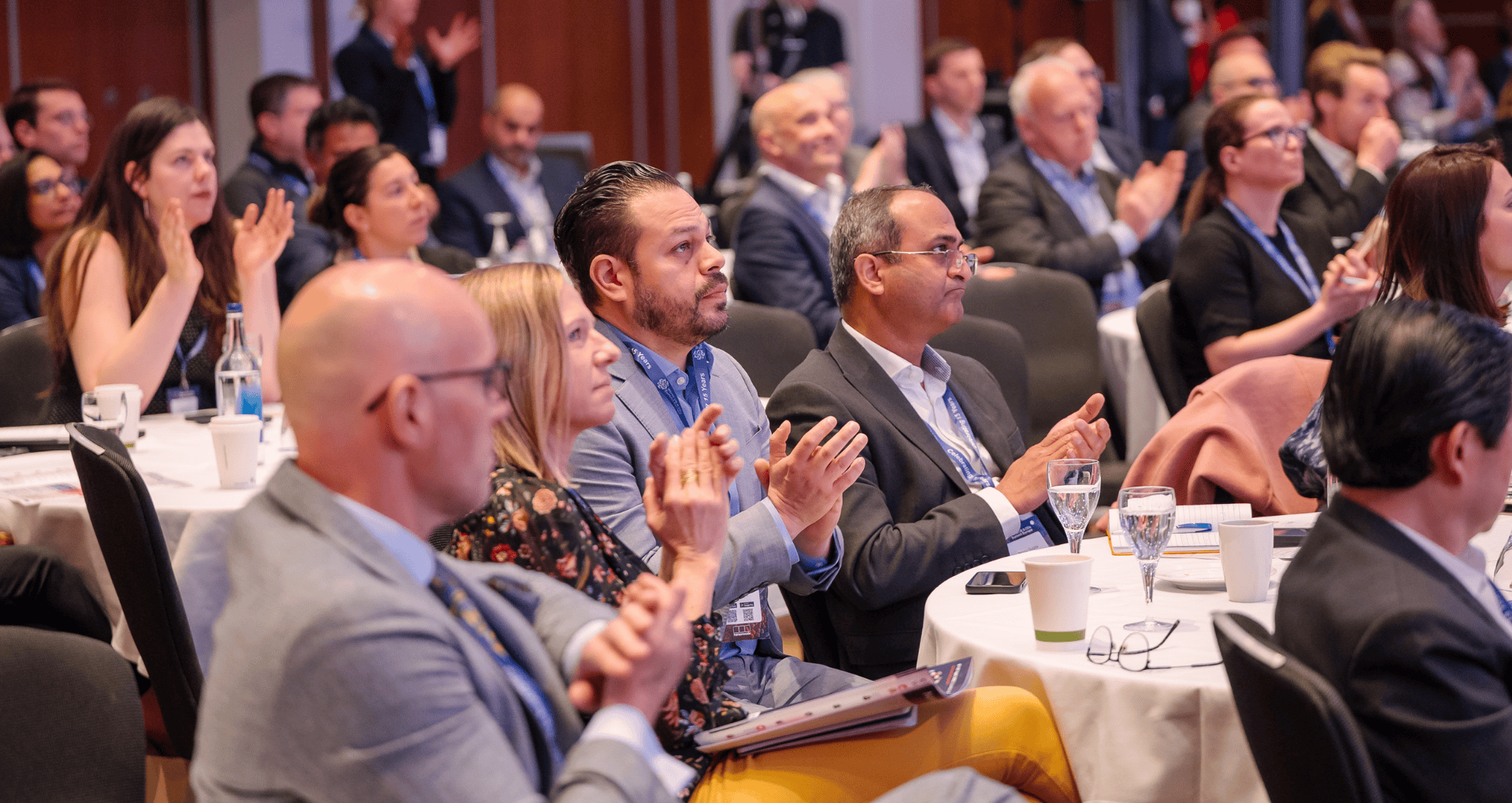
You’ll leave having gained valuable learnings on:
Lowering Cost of Goods & Scalable Manufacturing
Join Emilie Gauthy, Chief Technology Officer, Zelluna Immunotherapy on Conference Day Two for From Custom to On-Demand: Making TCR-Based Cell Therapies Commercially Scalable
Featuring new data, discover how TCR-based cell therapies are moving from bespoke, autologous models to scalable, on‑demand solutions and shifting toward allogeneic platforms, multi‑mechanism targeting, and new commercialization strategies.
Expanding Patient Reach to Ensure Long-Term ROI
Join Conference Day One to:
Discover how TCR therapies can strike the right balance between personalization and scalability to expand patient access with Reagan Jarvis, Chief Executive Officer & Co-Founder, Anocca
And see how AI and multi‑omics are enabling more potent, precise, and scalable personalized TCR‑based therapies with Qi Zhao, Principal Scientist, BioNTech
What the Data Is Really Showing to Inform Your Strategy
With Multiple Sessions Showcasing New Data, Don't Miss:
Expanding the Potential of TCR-Based T-Cell Engagers into Infectious Diseases with Annelise Vuidepot, Chief Science & Technology Officer, Immunocore
Activating T-Cells Through Novel TCR-Based Platforms to Overcome Resistance in Solid Tumors with Ke Liu, Chief Development Officer, Marengo Therapeutics
Expanding Therapeutic Possibilities Pursuing pMHC Targets Beyond Convention with Lorenzo Maso, Principal Scientist, Aethon Therapeutics
Overcoming the Tumor Microenvironment to Ensure Potency and Durability
Don't Miss Workshop B: Leveraging Novel Engineering Strategies to Overcome Tumor Escape & Amplify Potency on the Pre-Conference Day!
Join Peggy Sotiropoulou, Chief Scientific Officer, T-knife Therapeutics and Serena Stadler, Senior Scientist, Captain T Cell to discover how advanced TCR engineering is reshaping responses in solid tumors by tackling heterogeneity, immune evasion, and limited durability.
This session highlights practical strategies to optimize safety, dosing, and durability, helping deliver stronger clinical responses while supporting long‑term commercial viability.
Leave with Insights from Leaders Making the Hard Decisions
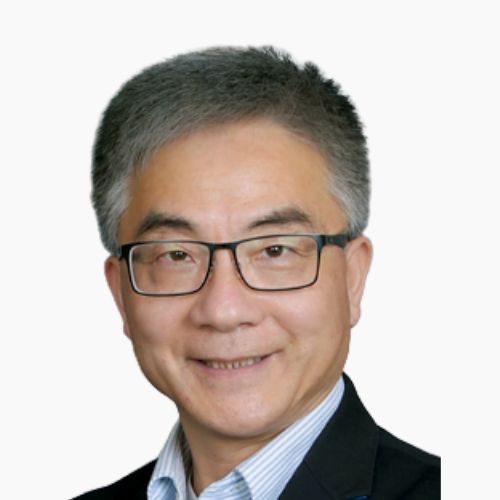
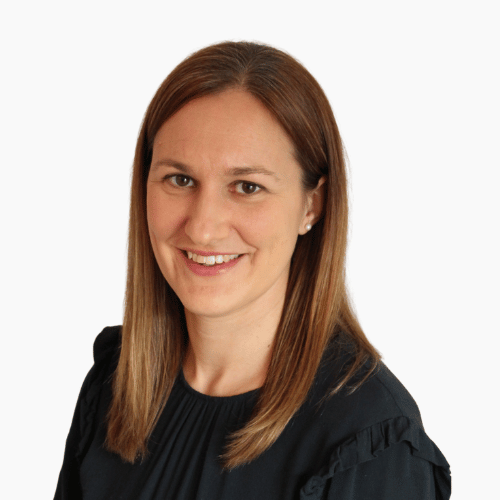
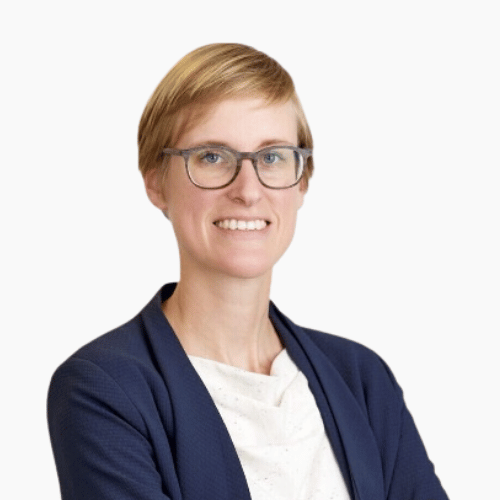
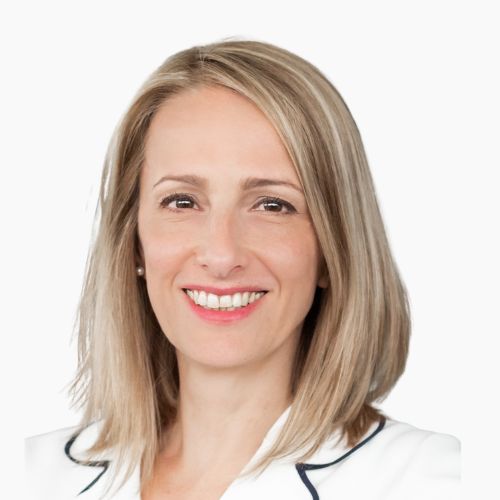
A defining feature of this year’s summit is its’ 55% C-suite level speaker faculty, making this the only place where you can gain direct insight from, and engage with, executives and senior scientific leaders actively shaping the next generation of TCR‑based cell and biologic therapies.
You’ll hear firsthand from innovators including:
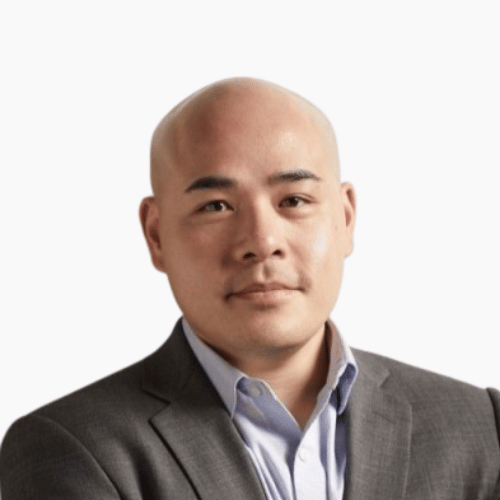
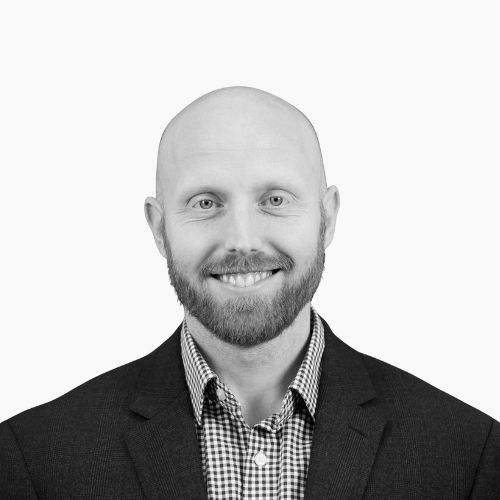

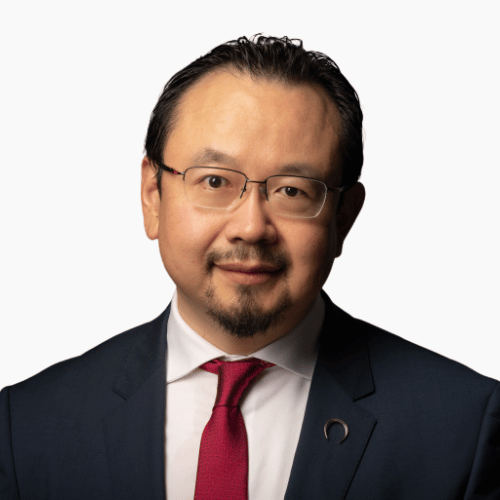


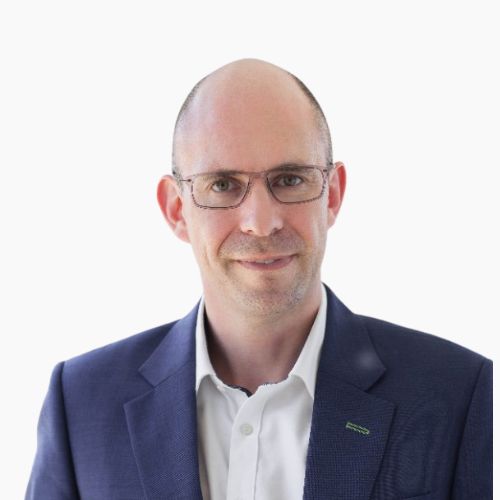
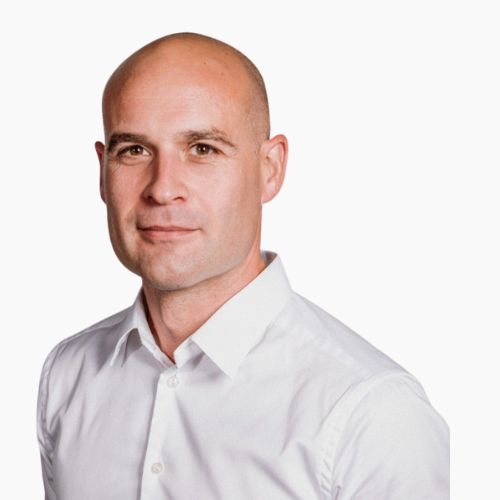
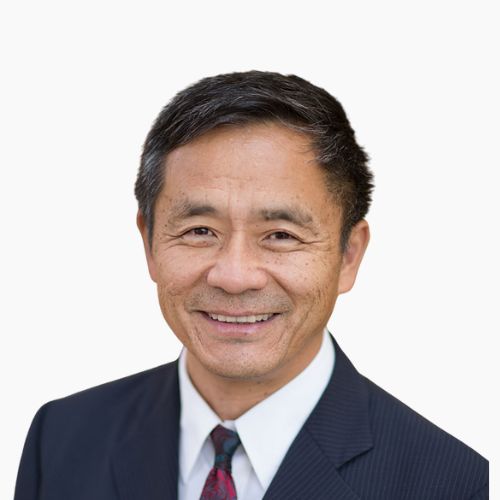
...and many more!
Join the Conversations Shaping What Comes Next for TCR
Unlike broader cell therapy or biologics meetings, the TCR-Based Therapies Summit provides a focused forum to benchmark how peers are navigating the most critical technical and strategic challenges, including:
- TCR Discovery & Development Strategy
- Target Selection & HLA Matching
- Managing Cross‑Reactivity & Safety Risk
- Next‑Generation TCR Engineering
Join us in Boston to benchmark decisions and pressure test strategies with peers facing the same technical and commercial constraints.
With the likes of Immunocore, Immatics, T-knife Therapeutics, Anocca, Zelluna Immunotherapy, Enara Bio, Marengo Therapeutics, 3T Biosciences, Regeneron, Moderna, Crossbow Therapeutics and more already attending, can your team really afford to fall behind?