
Speaker Spotlight
We are pleased to highlight Cedrik Britten, Expert Speaker at this year's 7th TCR-Based Therapies Summit.
In this exclusive interview, Cedrik Britten, Chief Medical Officer at Immatics, reflects on how the TCR field is evolving and the strategic shifts required to deliver durable, real‑world impact.
His insights frame the critical scientific and commercial decisions that will shape discussions at this year’s TCR‑Based Therapies Summit.

Can you tell us a bit about your background and experience within TCR based therapies, and what you will be sharing at the event this year?
I have spent nearly two decades working in the field of TCR-based therapies, across discovery and clinical development. As Chief Medical Officer at Immatics, I lead our clinical and translational programs across cell therapies and bispecifics, with the goal of making a meaningful impact on the lives of patients with cancer.
Our key focus is on PRAME — a target expressed in more than 50 cancers and we have built the broadest PRAME franchise in the field, spanning multiple indications and therapeutic modalities.
Our lead program, anzu-cel, is a PRAME-directed TCR T-cell therapy that has advanced from first-in-human studies into the ongoing Phase 3 SUPRAME trial in advanced cutaneous melanoma. Beyond that, with IMA203CD8, we aim to expand PRAME cell therapy across PRAME-positive cancers. In parallel, our off-the-shelf PRAME bispecific, IMA402, is designed to bring PRAME targeting into earlier lines of treatment in solid cancers.
At the summit, I’ll be sharing insights from our three PRAME product candidates and how we are working to deliver transformational advances with TCR-based therapies for patients with PRAME-positive cancers.
Looking at 2026 and further into the future, what do you think success for the TCR field will look like?
Success will ultimately be defined by durable clinical benefit, especially in solid tumors, where the unmet need remains high. A key priority will be translating promising clinical activity into consistent outcomes in late-stage trials and, importantly, in real-world settings.
At the same time, scalability and access will become increasingly important. By advancing both personalized cell therapies and off-the-shelf approaches like TCR bispecifics, we have a real opportunity to significantly broaden patient reach focused on our goal of improving the lives of patients with cancer. That’s how we at Immatics define success for the TCR field.
With continued innovation, I believe TCR therapies have the potential to become an integral part of standard cancer treatment.
From your perspective, what differentiates the most successful TCR programs from those that struggle to translate into the clinic?
It starts with selecting the right target — one that is broadly expressed and reliably presented. PRAME is a good example of this, given it is expressed in more than 50 cancers, including melanoma, ovarian cancer, uterine cancer, lung cancer and others.
The second key factor is the TCR itself. High affinity and specificity are essential, particularly the ability to recognize low levels of antigen and trigger an anti-tumor response while minimizing potential off-target effects.
Effective programs integrate these elements with robust engineering and/or manufacturing capabilities alongside a well-defined clinical strategy. Establishing this early is essential for successful clinical translation.
What are you most looking forward to at the TCR-Based Therapies Summit? Are there any particular sessions or topics that you’re excited about?
The summit brings together the full development landscape, from discovery through to commercialization.
I am particularly interested in the clinical discussions, including how to translate early clinical signals into durable responses, shaping the next wave of innovative therapies as well as advancing novel therapies into late-stage development and commercialization. In addition, I am consistently interested in gaining deeper insight into our peers and the distinctive technologies and therapeutic products they are developing to address the needs of patients with cancer.
Why do you believe gatherings like the TCR Based Therapies Summit are especially important for the field right now?
TCR-based therapies are entering a phase where the focus is on delivering meaningful impact for patients. To get there, we need close collaboration across disciplines – from research to clinical development to manufacturing. Meetings like this are important because they bring those perspectives together and help accelerate progress across the field.
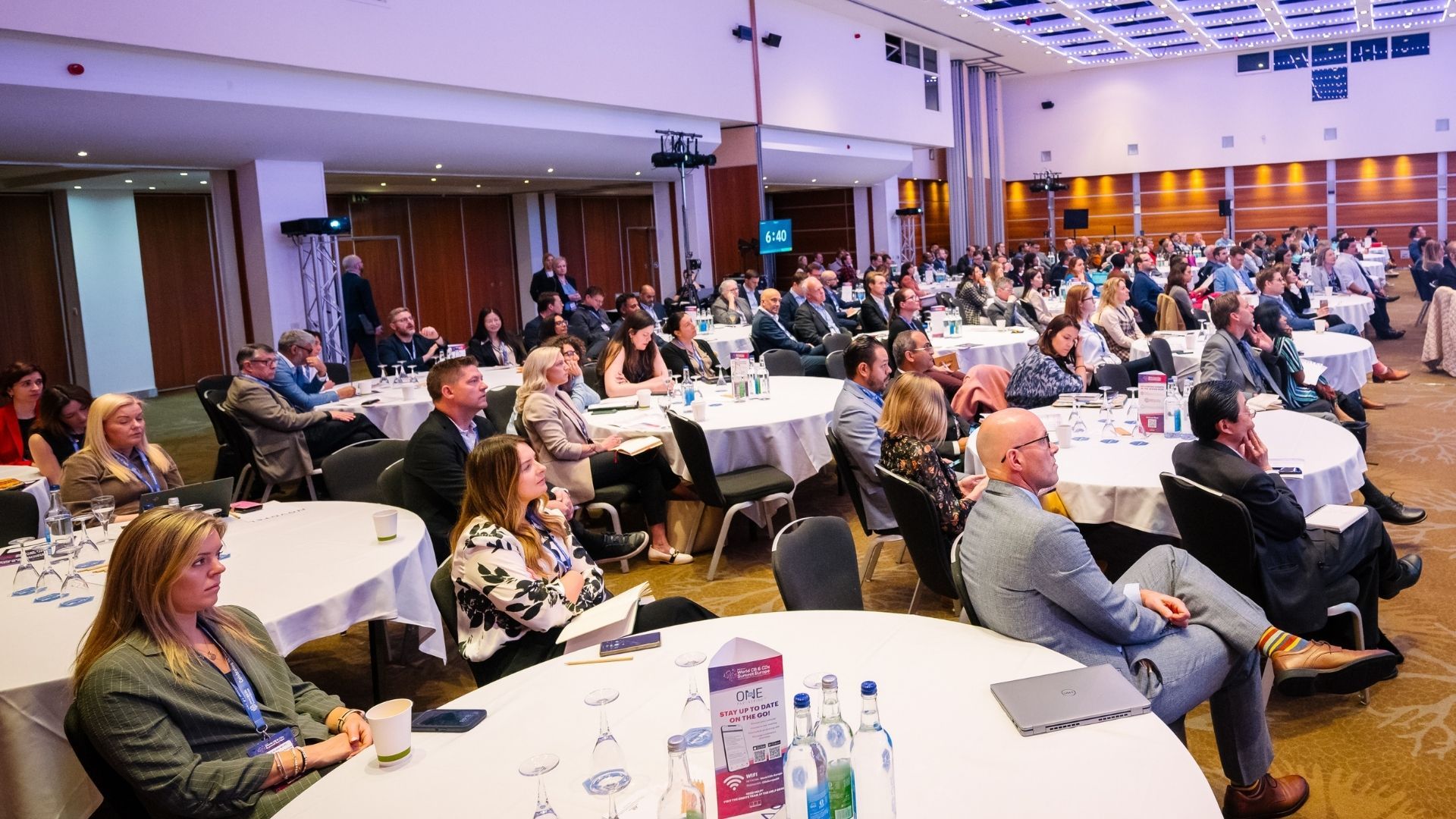
Discover the Agenda
See the agenda delivering the latest breakthroughs and real-world insights on TCR-T, TCR mimetics, TCR-TCEs, and TCR bispecifics.
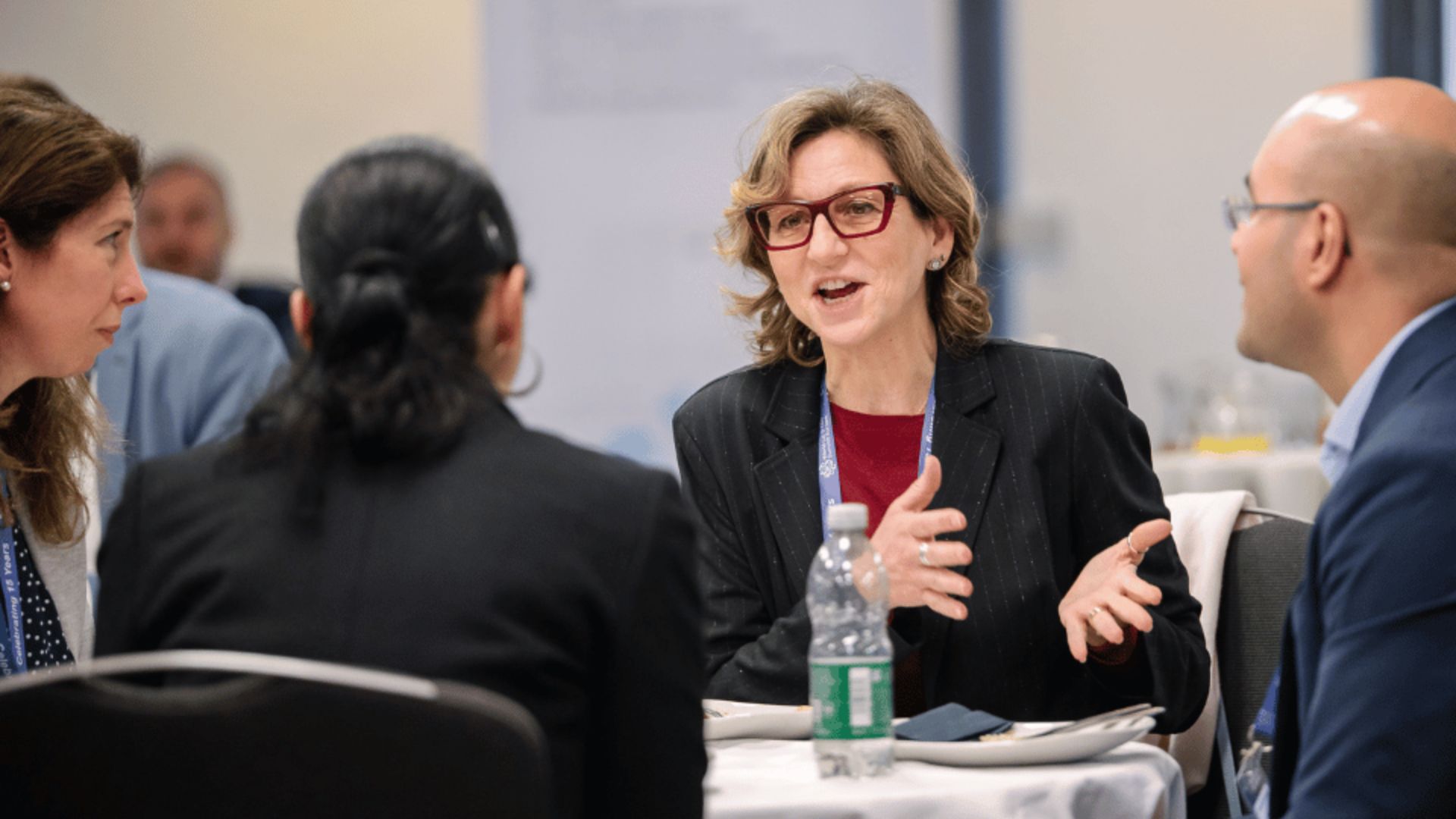
Partner With the Future
Position your brand at the center of the TCR ecosystem by partnering with leading developers shaping the future of TCR-based therapies.
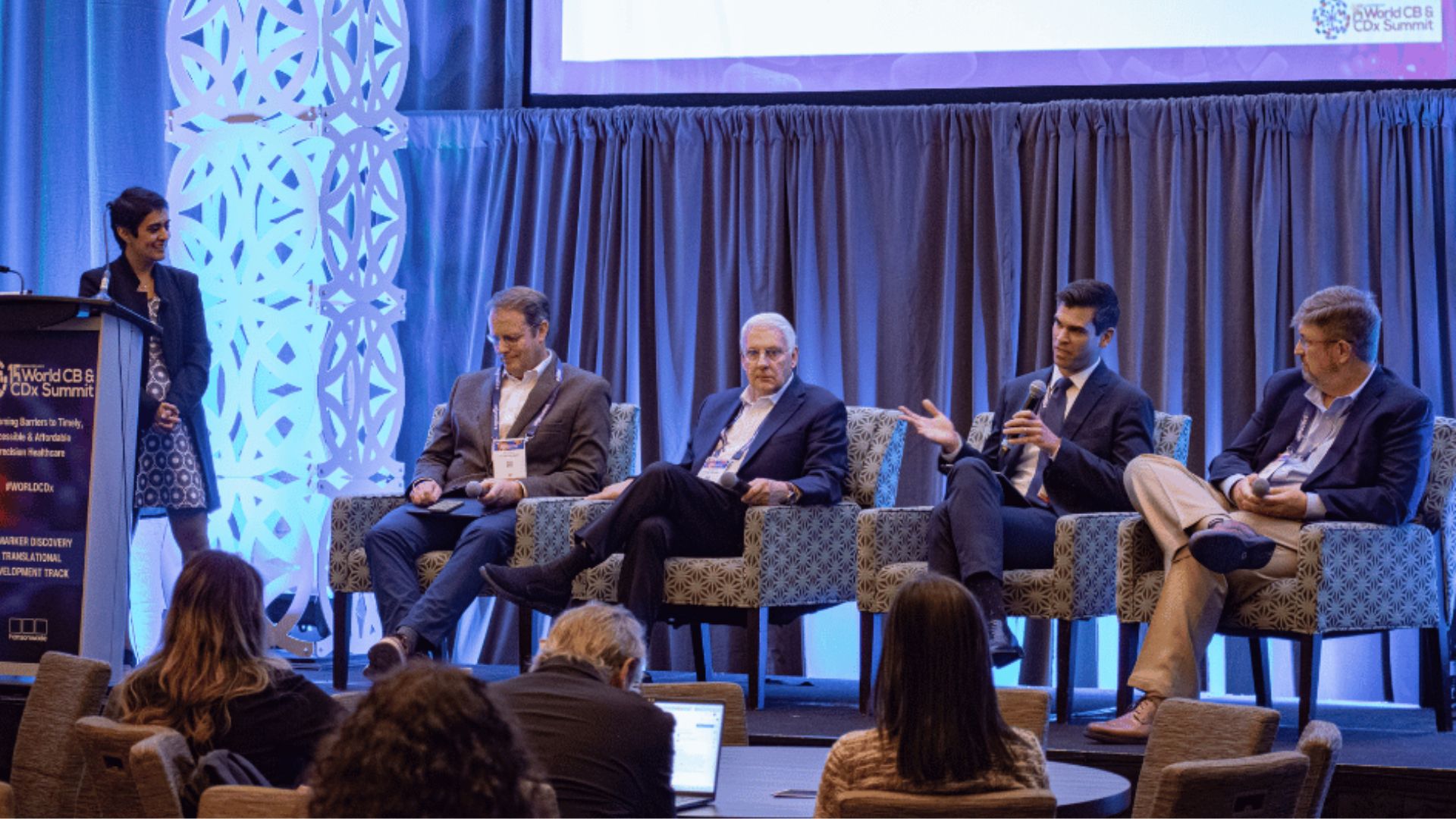
Collaborate With TCR Experts
Connect with senior leaders across biopharma and academia during high-value networking sessions and the scientific poster session.